
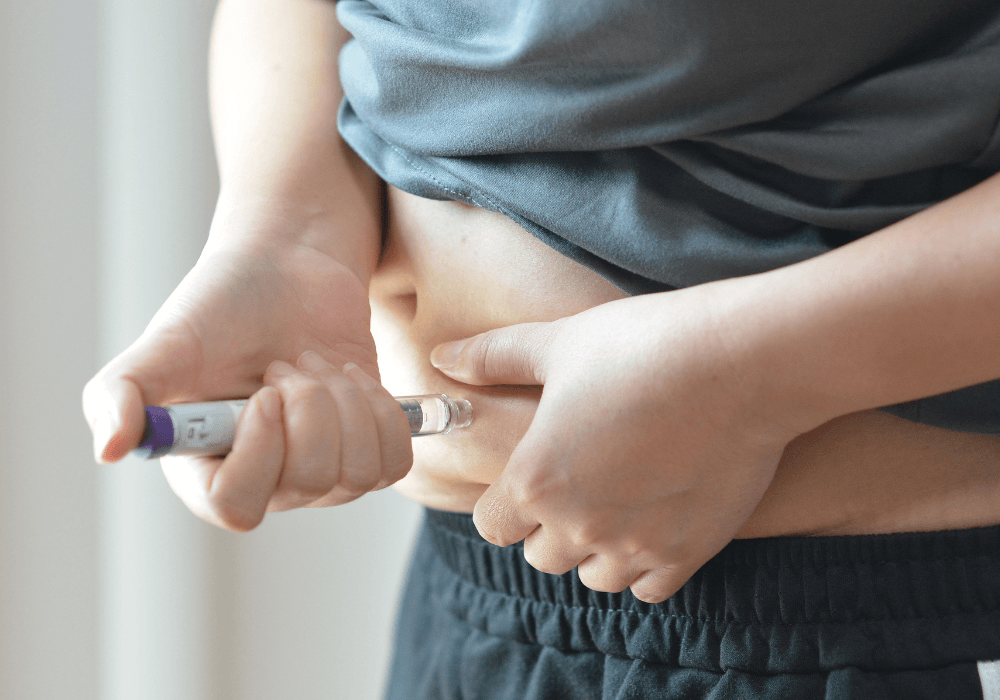
Losing a significant amount of weight can change your life. Clothes fit better, activities feel easier, and you might even find yourself enjoying things that once felt far out of reach. But there can be an unexpected side to that transformation: loose, sagging skin that doesn’t reflect how far you’ve come.
Weight-loss injections like Mounjaro and Wegovy are making it possible for more people to experience substantial weight loss without surgery. For some, however, the result is excess skin around the stomach, arms, thighs or breasts. It can be frustrating to reach a weight-loss goal only to find that your body still doesn’t feel quite how you imagined.
The good news is that there are some straightforward surgical options. From a tummy tuck to a thigh lift or breast uplift, skin removal after weight loss can help address areas that haven’t responded to exercise or time. The important thing is understanding when surgery is appropriate, what each procedure can achieve and how to approach it safely. Let’s delve into this:
Why does loose skin happen after weight loss injections?
Mounjaro (tirzepatide) and Wegovy (semaglutide) work in different but related ways to help regulate appetite and blood sugar, in turn making it easier for people to reduce their food intake and lose weight.
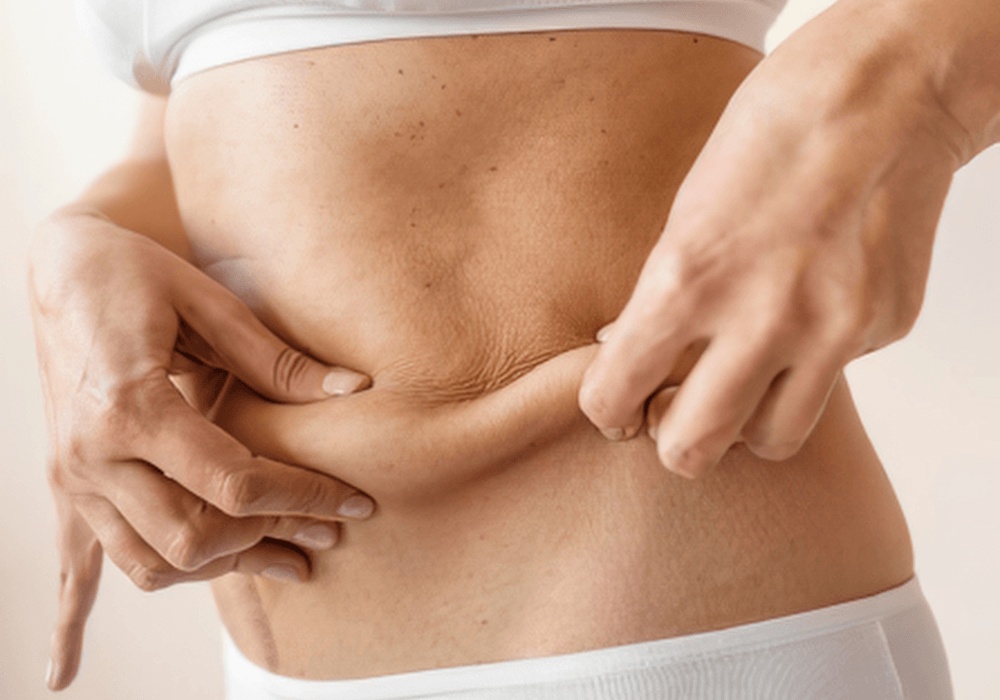
When weight loss is substantial, the skin may not be able to shrink back to fit the body’s new shape. This is because skin stretches gradually as weight increases, and its ability to contract afterwards depends on several factors, including age, genetics, skin elasticity and how much weight has been lost.
The speed and extent of weight loss can also play a part. Someone who loses quite a lot of weight over a relatively short period of time may find that their skin has not had enough time to adapt – and, in some cases, may never fully do so.
This isn’t unique to people using weight-loss injections. Loose skin can also come along with pregnancy, bariatric surgery or even after significant weight loss through diet and exercise. However, the growing use of weight loss jabs like Mounjaro and Wegovy means more people are looking into options for addressing the changes that follow.
Surgical options for loose skin after weight loss
The right procedure depends on the area, how much excess skin there is and your overall health. Some people need only one operation, while others may benefit from a staged approach. Here are the most common options:
1. Tummy tuck (abdominoplasty)
A tummy tuck is one of the most common procedures for people with loose skin after weight loss. It removes excess skin and fat from the abdominal area, helping create a flatter, firmer tummy. Depending on the individual, the surgeon may also tighten separated abdominal muscles as part of the operation.
Europe Surgery offers tummy tuck surgery in Poland, with prices currently starting from £3,470. The procedure is performed under general anaesthesia, and the surgeon will carefully assess the amount of excess skin and any abdominal muscle separation before recommending the most suitable approach.
2. Thigh lift
Weight loss can leave you with excess skin around the inner thighs, where it may hang or rub against the opposite leg. A thigh lift, also known as a thighplasty, removes this surplus skin and reshapes the area to create a firmer contour.
The procedure usually involves an incision along the groin crease, which may extend down the inner thigh depending on how much skin needs to be removed. Scarring is therefore part of the trade-off, although all surgeons should aim to position it as discreetly as possible.
A thigh lift may be particularly helpful if loose skin is making walking, exercise or everyday clothing uncomfortable.
Europe Surgery offers thigh lift surgery in Poland, with prices currently starting from £2,280. This package includes the operation, general anaesthetic, an overnight clinic stay, post-operative consultations during your stay and a compression garment.
3. Breast uplift (mastopexy)
Breast volume often decreases following substantial weight loss. When the skin doesn’t contract sufficiently, the breasts can lose their previous shape and begin to sag.
A breast uplift, or mastopexy, removes excess skin and reshapes the remaining breast tissue to create a higher, firmer appearance. The nipple and areola may also be repositioned as part of the procedure.
An uplift is different from breast enlargement: its main purpose is to improve the position and shape of the breasts rather than increase their size. Some patients may choose to discuss combining an uplift with implants or fat transfer if they would also like to restore lost volume.
You can find out more about breast uplift surgery at Europe Surgery, where the surgeon can discuss the most appropriate technique based on your breast shape, skin quality and expectations.
4. Arm lift (brachioplasty)
If weight loss has left loose skin hanging beneath the upper arms, an arm lift is another option to explore.
Also known as brachioplasty, this procedure removes excess skin from the upper arm, usually through an incision along its inner or back surface. The remaining skin is tightened to create a more defined outline.
As with other skin-removal procedures, the amount of scarring depends on how much tissue needs to be removed. It is important to discuss the likely scar position and length with a surgeon before deciding whether the benefits outweigh the trade-offs.

Why waiting for a stable weight matters
It can be tempting to arrange surgery as soon as you reach your target weight, particularly if loose skin is something you’ve been looking forward to addressing. But patience is important.
If you’re still losing weight, your body shape may continue to change after surgery. Further weight loss could leave more loose skin, while weight regain may stretch the remaining tissue and affect your results.
For this reason, surgeons generally want patients to reach a stable, sustainable weight before considering body contouring. A period of at least three to six months at a relatively consistent weight is commonly recommended, although some patients may need longer depending on their circumstances and the extent of their weight loss.
This is especially relevant if you’ve been using Mounjaro or Wegovy. Reaching a particular number on the scales doesn’t necessarily mean your weight has settled. Your surgeon will want to understand whether you’re still losing weight, whether your treatment plan is changing and how likely you are to maintain your current weight.
What about the cost of skin removal surgery in the UK?
One frustration for people who have lost a significant amount of weight is discovering that the NHS doesn’t routinely fund surgery to remove excess skin.
There are exceptions. Where loose skin causes substantial physical problems, such as recurrent infections, skin breakdown or significant restriction of movement, patients may be considered for NHS-funded treatment. However, eligibility depends on local policies and individual clinical circumstances, and surgery for appearance alone is generally treated as private cosmetic surgery.
For those who do not qualify, the cost of private treatment in the UK can be considerable. The NHS gives a typical UK price range of around £5,000 to £10,000 for a tummy tuck, for example, before additional costs are even considered.
This is one reason some patients look beyond the UK for treatment. Having surgery abroad can offer a more affordable route, provided that the decision is based on the quality of the surgeon, the clinic’s facilities and the arrangements for recovery and follow-up – not simply the headline price.
Having skin removal surgery in Poland with Europe Surgery
For UK patients considering skin removal after weight loss, Poland is worth exploring.
Europe Surgery is based in Wrocław, and we’ve been treating patients in our award-winning clinic since 2009. Our approach is designed to make travelling for surgery more straightforward, with support around consultations, accommodation arrangements and aftercare.
Current prices include:
- Tummy tuck: from £3,470
- Thigh lift: from £2,280
- Breast uplift: from £2,990
Frequently asked questions
How long should I wait after stopping Mounjaro before skin removal?
Surgeons look for at least three to six months of stable weight, although individual recommendations will vary. Then there’s the anaesthesia: your anaesthetist will assess your treatment, symptoms and other risk factors and advise on any necessary precautions. Please don’t stop Mounjaro without speaking to your prescribing clinician.
Will loose skin tighten on its own?
Some skin may gradually contract after weight loss, especially when there’s not a lot of it. However, significant loose skin is unlikely to disappear completely, even with exercise and a healthy lifestyle.
Age, genetics, skin elasticity and the amount of weight lost all influence how much natural tightening is possible. If excess skin remains and causes discomfort or affects your confidence, a consultation with a plastic surgeon can help you understand the available options.
Can I have a tummy tuck while still on weight-loss injections?
Being on Mounjaro or Wegovy doesn’t automatically rule out a tummy tuck. However, your weight needs to be stable, and your surgeon and anaesthetist need to know about your medication before planning surgery.
These injections can affect stomach emptying, which has implications for general anaesthesia. Your medical team will assess the risks and agree on appropriate precautions. You should never change your medication or fasting routine without their instructions.
Can I have several areas of loose skin removed in one operation?
Sometimes, but it depends on the amount of surgery involved, your health and the surgeon’s assessment of the risks. Combining procedures can reduce the number of separate operations, but it also increases the length and complexity of surgery and may make recovery more demanding.
For patients with significant excess skin in several areas, a staged approach may be recommended so that each operation can be planned and recovered from safely.