
If you’ve been thinking of improving your smile, veneers are likely already on your radar. But one question comes up time and time again:
“Should I choose composite or porcelain veneers, and will they actually last?”
It’s a fair concern, especially in the UK, where cosmetic dental treatments can feel like a serious financial commitment. In exchange for that kind of commitment, you don’t just want a better smile – you want it to last.
In this guide, we’ll walk you through the difference between composite and porcelain veneers, how long each option lasts, and which might be the best veneers for your smile. We’ll also share an alternative to UK dentistry for those who want the best quality, without that British price tag.
What Are Dental Veneers, Really?
Dental veneers are thin layers of custom-made coverings that slot over the front surface of your teeth to cover cosmetic imperfections.
Teeth are incredibly important, and we’ve all pined for a perfect smile at some point. In saying that, teeth can also be particularly tricky because, while you might simply dislike the look of yours when you’re young, issues only compound over your life. By adulthood, you can have cosmetic issues like:
- Discolouration and staining
- Chips or uneven edges
- Gaps between teeth
- Mild misalignment
- Worn or ageing enamel
Veneers basically just cover all of those imperfections, giving you a bright, balanced smile.
Composite Veneers vs Porcelain Veneers: What’s the Difference?
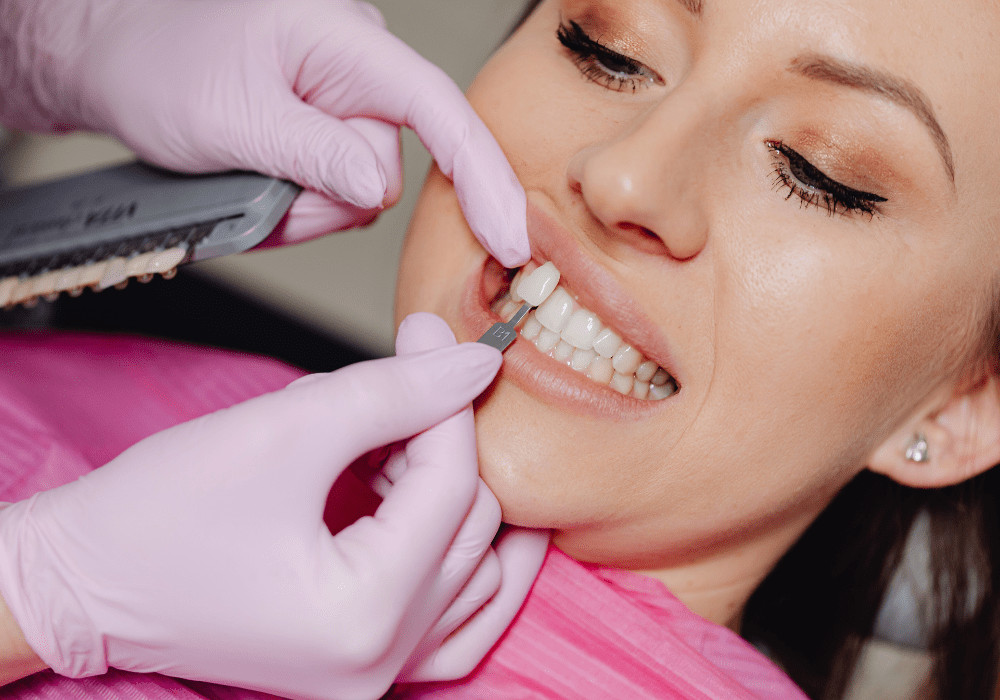
Veneers are sometimes also called porcelain shells or composite bonds, as these are the two main materials used to make these wafer-thin shells. However, while these dental veneer options are both excellent at hiding cosmetic flaws in your smile, they have a few important differences. So, let’s break down composite vs porcelain veneers in a way that actually helps you decide.
Composite Veneers: Quick, Accessible, Effective
Composite veneers are made from a tooth-coloured resin that’s applied directly onto your teeth and sculpted by a dentist. These simpler, more affordable veneers are usually completed in a single visit and are somewhat easier to repair if they chip. It should also be noted that this option includes no drilling or pain, as your natural teeth will simply be added to.
In other words, resin veneers are a great, minimally invasive option if you want a noticeable improvement without committing to a higher initial investment. However, durability is where things start to differ, which we’ll look at in more detail shortly.
Porcelain Veneers: Premium, Long-Term Results
Porcelain veneers are custom-made according to a mould of your specific teeth. The wafer-thin veneers are created in a dental lab and carefully placed over your teeth before being bonded with an adhesive and cured with a special light.
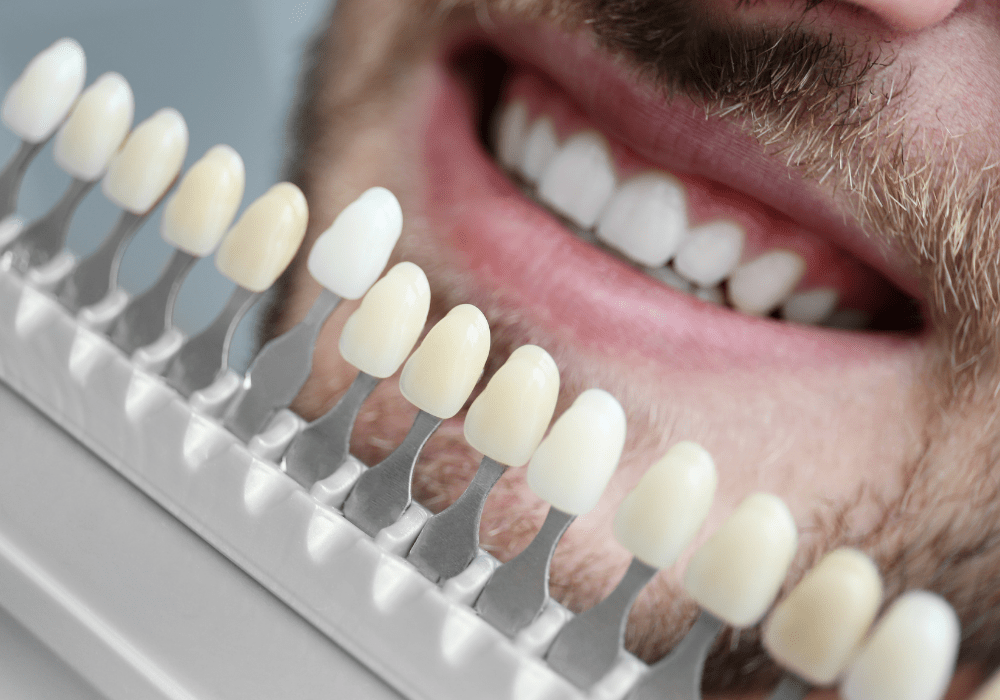
Porcelain shells are stronger and more durable than their composite resin counterparts, and far more resistant to staining. Also, because porcelain is similar in look and feel to tooth enamel, they mimic the natural look of your own teeth. This is especially true at Europe Surgery, where we offer precision shades of porcelain, so you can fix even just one tooth.
This dental veneer option is designed to last significantly longer. So while they do require more preparation and a slightly longer treatment process, the results of porcelain veneers are often considered more refined and longer-lasting.
Cost vs Longevity: What UK Patients Need to Consider
In the UK, veneer treatments can be expensive, which often leads patients to choose the cheaper option first. However, there’s an alternative – many patients now look abroad for treatment, not just for cost savings, but for better value over time.
At an award-winning clinic like Europe Surgery, which is based in Poland, patients can benefit from higher-quality materials and experienced cosmetic dentists without the price tag that would come with it in the UK.
Also, at a world-class clinic like ours, treatment plans are focused on longevity, not quick fixes. Because it’s not just about choosing the cheapest option – it’s about choosing the one that makes sense years down the line.
Which Option is Right for You?
There’s no one-size-fits-all answer – but there is a right answer for you.
If you’re looking for:
- A quicker, more budget-friendly improvement → Composite veneers may suit you best
- A long-term, stain-resistant, premium finish → Porcelain veneers are the better choice
The most important step is an honest consultation. A good clinician won’t push you towards the more expensive option – they’ll guide you towards what fits your goals, lifestyle and expectations.
At Europe Surgery, our dentist works as a lecturer at Wroclaw University, training other dentists in Europe. Michael Karolewsk specialises in all forms of reconstructive and cosmetic dentistry. With a price tag that’s less than half of what these procedures usually cost in the UK, we can confidently say that whatever option is right for you, Michael is the right surgeon to complete it.
Remember to Think Beyond the Immediate Results
A beautiful smile is an investment – not just financially, but emotionally too. It affects how you show up in photos, conversations, and everyday life. So when choosing between porcelain and composite veneers, it’s worth thinking beyond the initial cost and asking: “What will still feel right in five or ten years?”
With the right approach, veneers don’t just improve your smile; they restore confidence in a way that feels natural, lasting, and truly worth it.
Composite vs Porcelain Veneer FAQs
Want to know more? Here are the questions we get most often:
How Long Do Dental Veneers Last?
If you’re wondering “how long do dental veneers last?”, here’s a quick, realistic breakdown:
Composite Veneers
- Typically lasts 4 – 7 years
- May require polishing, repairs, or replacement sooner
- More prone to staining over time
Porcelain Veneers
- Typically lasts 10 – 15 years (or longer with good care)
- Maintain colour and finish much better
- More resistant to wear and chipping
So while composite resin veneers cost less upfront, porcelain veneers often offer better long-term value – especially when factoring in maintenance and replacement.
What Are the Best Veneers for Stained Teeth?
If your main concern is discolouration, porcelain really stands out.
Why, you ask? Quite simply, porcelain veneers tend to be the better choice because:
- They’re highly stain-resistant
- They maintain brightness over time
- They can mask deeper or more stubborn discolouration
Composite bonding will improve colour at first, but they’re slightly more susceptible to staining from coffee, tea, red wine and smoking. If long-term brightness is your priority, porcelain is definitely the better investment.