
Ageing can be difficult to navigate, but there’s a point in time that’s especially tricky. Your skin isn’t dramatically sagging. You’re not necessarily ready for a facelift. But your skin just doesn’t look or feel like it used to.
Perhaps your jawline looks a little softer, or the skin under your chin doesn’t sit quite as tightly as it did. The lower face feels less defined, and no amount of skincare seems to make the difference you’re looking for.
At the same time, the idea of a traditional facelift may feel like far too much for you right now. Which is exactly the point at which Renuvion skin tightening attracts so much attention. Minimally invasive, it tightens the tissues under the skin with radiofrequency energy and helium plasma.
It sits in an interesting middle ground: more substantial than the surface-level skin treatments you find, but without the incisions and tissue repositioning involved in a classic facelift. At Europe Surgery, Renuvion Facial Renewal is designed for patients seeking this middle ground. In this article, we’re going to explore the procedure, so you can be well-informed when making your decisions. Let’s dive right in:
What is Renuvion?
Renuvion, sometimes referred to as J-Plasma, is a technology that combines radiofrequency (RF) energy with helium plasma. Rather than treating only the skin’s surface, the treatment delivers controlled energy beneath the skin through a small probe. This thermal effect causes the underlying tissue to contract while also stimulating a longer-term healing and collagen-remodelling response.
Basically, the aim is to make loose or lax tissue contract and sit more closely against the underlying structures in your face. This works so brilliantly because facial ageing doesn’t only come from the skin itself. As we age, collagen and elastin levels decline, tissues lose elasticity, and definition softens.
The Renuvion procedure is designed to address part of that process from beneath the skin rather than simply improving its appearance.
Why Are People Looking Beyond Traditional Skin Tightening?
For years, the options to combat facial ageing could feel quite binary.
You could try skincare, injectables or energy-based treatments designed to improve the surface or stimulate collagen production. Or, if the sagging skin was significant, you could consider a surgical facelift. Both have their place. But there is an increasingly obvious group of patients who sit somewhere in between.
They don’t necessarily need skin removed. They don’t want a dramatic change to their face. They simply want the skin around the lower face, jawline or neck to feel firmer and look more defined. That’s where a minimally invasive procedure like this J-plasma treatment becomes particularly interesting.
Renuvion doesn’t attempt to recreate a facelift through a smaller incision. Instead, it offers a different level of intervention – tightening underlying soft tissue while avoiding the extensive incisions and skin removal that come with traditional facial surgery.
Renuvion Skin Tightening vs Facelift: What’s the Difference?
It’s tempting to think of Renuvion as a “mini facelift”, but that isn’t quite accurate.
A facelift is a surgical procedure that can reposition deeper facial tissues, remove excess skin and redrape the remaining skin over a new contour. It therefore addresses more advanced facial ageing and significant skin laxity.
Renuvion is considerably less invasive. It uses cleverly chosen, small entry points to deliver energy beneath the skin, encouraging tissue contraction and tightening without surgically removing large amounts of skin. So, when comparing Renuvion skin tightening vs a facelift, the better question isn’t necessarily which treatment is “better”. It’s which treatment matches the degree of ageing you’re trying to address.
Renuvion is worth considering if:
- Your skin has become mildly or moderately lax
- Your jawline is losing some definition
- You have loose skin around the neck or under the chin
- You want more tightening than skincare or injectables can realistically provide
- You want to avoid the longer scars associated with a traditional facelift
- You aren’t ready for (or don’t need) a full surgical lift
Whereas a facelift may be more appropriate if:
- There is significant excess skin
- Jowls are pronounced
- Facial tissues have descended considerably
- You require substantial repositioning of deeper tissues
- You are looking for the most comprehensive correction of advanced facial ageing
A good surgeon should be comfortable telling you when Renuvion isn’t enough – that’s part of responsible treatment planning.
Note: If you want to understand the difference between an actual “mini facelift” and a traditional one, please give our dedicated blog on the topic a read.
The Appeal of Smaller Incisions
One of the biggest attractions of Renuvion is simply how small the incisions are. Rather than creating the longer incisions associated with traditional facial surgery, the Renuvion probe is small and non-invasive, directing energy exactly where it’s needed.
For the right patient, this can mean a treatment experience that feels considerably less daunting than committing to a full facelift. Which is perhaps where the phrase “minimally invasive” can actually mean something useful. It isn’t claiming that there is no recovery, or that the procedure is completely risk-free. It means that the surgical access and amount of tissue disruption are super small compared with conventional surgery.
What Areas Can Renuvion Improve?
Renuvion is particularly useful when the concern is about definition rather than dramatic volume loss.
Depending on your individual anatomy and treatment plan, it may be used to improve areas such as:
- The lower face
- Jawline
- Double chin (under the chin)
- Neck
- Cheeks
This makes it particularly interesting for someone who feels that their face has started to look softer or heavier with age, even though they don’t necessarily have a whole lot of excess skin.
For some patients, Renuvion can also be combined with Body Jet Liposuction to remove unwanted facial fat while also tightening the skin. Europe Surgery currently offers both Renuvion alone and a combined Renuvion and Body Jet Liposuction treatment. This combination is brilliant if you have two separate issues you’d like us to address: too much volume under the skin and not enough skin elasticity above it.
How Much Does Renuvion Skin Tightening Cost?
At Europe Surgery, we are completely transparent about all of our cosmetic surgery costs. Renuvion facial renewal treatment costs £1,200, and for patients who would also benefit from fat removal and contouring, Renuvion can be combined with Body-Jet Liposuction for £1,700.
We can discuss the most suitable skin tightening technology for you during your consultation.
What Are the Plasma Skin Resurfacing Benefits?
We want to quickly clear up a common cause of confusion.
Renuvion is sometimes discussed alongside plasma skin resurfacing, but these aren’t really the same treatment. Renuvion’s facial treatment works beneath the skin, rather than simply resurfacing the outermost layer.
The focus is therefore less on removing superficial imperfections and more on improving tissue contraction and firmness. This difference is important because someone whose primary concern is pigmentation, fine surface lines or uneven skin texture may need a completely different treatment.
The best treatment isn’t the one with the most impressive-sounding technology. It’s the one that addresses the actual reason you’re unhappy with your appearance.
What Happens During Renuvion Treatment at Europe Surgery?
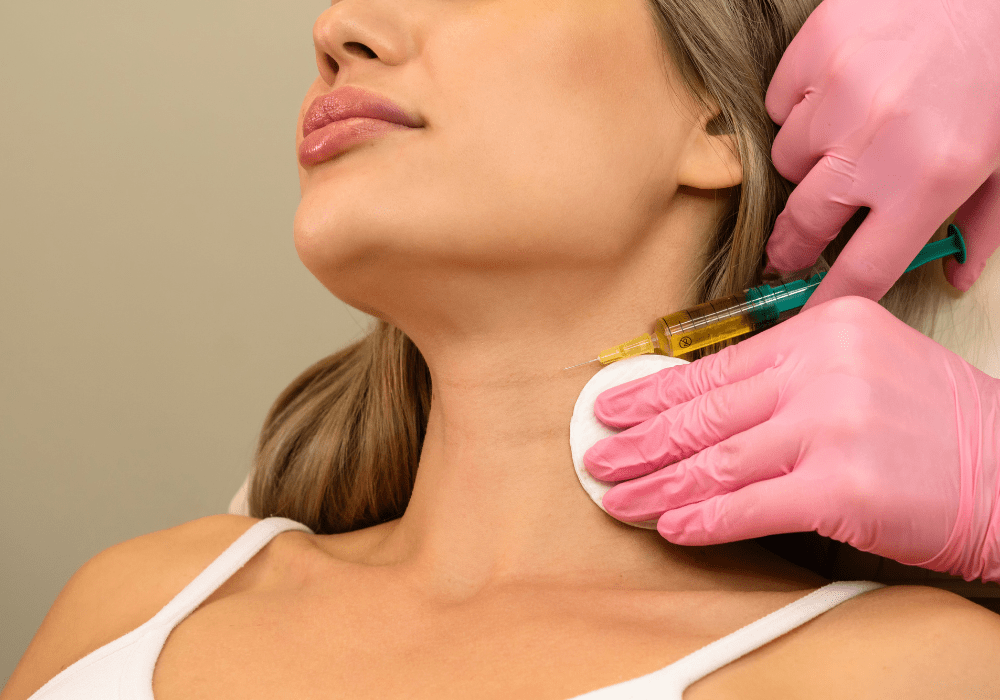
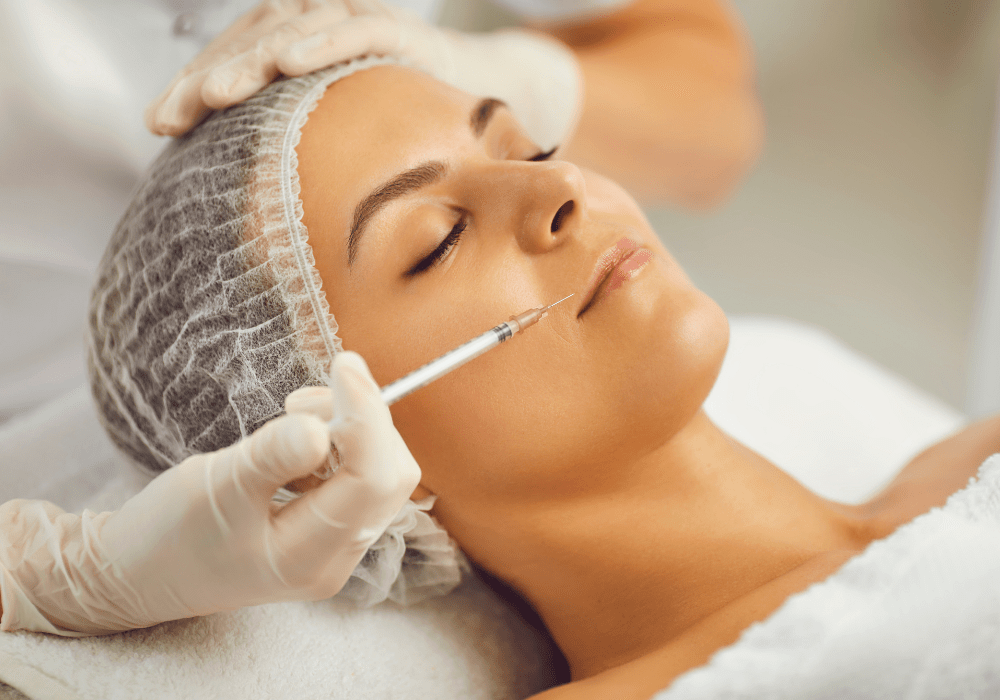
At Europe Surgery, the process begins with a consultation rather than a treatment. Your highly experienced surgeon will assess your facial structure, degree of skin laxity and areas of concern before deciding whether Renuvion is appropriate. If treatment is recommended, your surgeon will likely administer a local anaesthetic to the treatment area, but the exact approach will be determined during your consultation.
What is Renuvion Recovery Like?
One of the reasons Renuvion appeals to people who aren’t ready to commit to a full facelift is because it comes with minimal downtime.
That said, you should still expect your body to need time to recover – minimally invasive does not mean “no downtime”. Swelling, tightness and some bruising can occur after treatment. These effects generally settle progressively rather than disappearing overnight. Many patients can return to light activity within a day or two, although visible improvements continue to develop over the following weeks and months as healing and collagen remodelling take place.
That gradual improvement can actually be one of the more appealing aspects of treatment. You’re not necessarily looking for a dramatically different face the morning after surgery. You’re looking for a gradual tightening and refinement that allows your features to remain recognisably yours.
When Will You See the Results?
There are two elements to the result. Some tightening will be clear soon after, as the treated tissues contract. But that’s not the finished result.
Your body continues to remodel collagen during the healing process, so the appearance of the treated area may continue to develop over the following weeks and months. So judging the outcome immediately after treatment isn’t particularly useful. Swelling can also temporarily obscure the changes, while the longer-term result depends on how your individual tissues respond and heal.
Is Renuvion Really an Alternative to a Facelift?
For some patients, yes – but not in the sense that it replaces a facelift. Think of it as an alternative level of treatment. If your skin has mild to moderate laxity and you want a noticeable improvement without invasive surgery, Renuvion is a brilliant option.
If you have quite a bit of excess skin and significant tissue descent, however, the classic facelift is likely more appropriate. This is something we think is particularly important to be honest about. The cosmetic surgery industry can sometimes make every new technology sound like it has rendered everything that came before it obsolete. That’s rarely how medicine works. Renuvion doesn’t make facelifts unnecessary. It gives appropriately selected patients another option.
Who is Renuvion Best Suited To?
Renuvion can be particularly appealing if you’re at the stage where you keep looking in the mirror thinking:
“I don’t want to look different. I just want things to be a little tighter.”
To be more specific, you may be a good candidate if you:
- Have mild to moderate skin laxity
- Are bothered by a softer jawline or loose neck skin
- Want a minimally invasive approach
- Aren’t ready for a facelift
- Have realistic expectations about the degree of improvement possible
- Want to preserve your natural facial characteristics
However, if you have quite a bit of excess skin that needs to be surgically removed, we’re not going to recommend this option. Which is why a consultation is so important. Your age isn’t the deciding factor. Neither is a picture of someone else’s result. Your skin quality, anatomy, degree of laxity and expectations are what matter.
Is the Renuvion Skin Tightening Device Safe?
It is considered safe, but as with any medical procedure, Renuvion isn’t without potential risks. Because the technology uses controlled heat beneath the skin, appropriate technique, patient selection, and adherence to the device’s approved indications are important.
It’s also worth noting that regulatory approvals and indications can vary by country and by specific Renuvion handpiece. The US FDA has issued safety communications concerning certain aesthetic uses of Renuvion/J-Plasma and advises healthcare professionals to follow the applicable device indications and instructions for use.
That’s why treatment should only ever be carried out by appropriately trained medical professionals, in accordance with the relevant regulatory and clinical requirements. Not just treated as simply another beauty treatment.
At Europe Surgery, treatment always begins with a medical consultation to determine whether the procedure is appropriate for your individual circumstances.
The Bottom Line: You Don’t Always Need a Facelift
Facial ageing doesn’t come with an on/off switch, and there isn’t a moment when you suddenly go from “young” to “needing surgery”. Most people move through a much more gradual process – noticing small changes in firmness, definition and elasticity over time.
And that means your treatment options don’t have to be binary either.
For some people, good skincare is enough. Others will benefit from injectables or other non-surgical treatments. Some will eventually decide that a facelift is the most appropriate and effective solution. And for those sitting somewhere in the middle, Renuvion offers another possibility. It isn’t about trying to stop ageing. It’s about deciding how you’d like to respond to it.
If you’re beginning to notice loose skin around your jawline, chin or neck but aren’t ready for a traditional facelift, a consultation can help you understand whether Renuvion could give you the level of tightening you’re looking for – without going further than you need to.