

There was a time when the conversation around breasts was almost entirely about size. Bigger was better, with curves dominating magazine covers, television and social media. But over the last decade, that conversation has shifted. Today, many women are asking a different question altogether:
“How can I feel more comfortable in my own body?”
For some, that means restoring shape after pregnancy and breastfeeding. For others, it’s finally finding relief from years of neck, shoulder or back pain caused by particularly large breasts.
The important thing to keep in mind is that not every breast surgery is trying to achieve the same outcome. If you’ve been researching breast uplift surgery vs reduction, the two procedures may sound similar, but they actually solve very different problems.
In this guide, we’re explaining what each procedure is designed to do, who it’s best suited for, and how to decide which option fits your body and your goals. Let’s dive in:
Understanding Why Breasts Change
Breasts, which are mostly made of fatty tissue, are constantly changing throughout our lives. Weight fluctuations, pregnancy, breastfeeding, genetics and the natural ageing process all affect the skin, breast tissue and ligaments that support it all.
Over time, you may find that your breasts sit lower on your chest, nipples start to point downward, or one breast may shift lower than the other. It’s also very common to experience a loss of upper fullness, neck, shoulder or back discomfort and maybe even difficulty finding supportive bras or comfortable clothing
These changes are incredibly common. The question isn’t why or whether they’ve happened – it’s which solution best addresses them.
Breast Uplift vs Reduction: What’s the Difference?
Although both procedures reshape the breasts, their purpose is quite different.
A breast uplift (mastopexy) focuses on improving position and shape.
A breast reduction (reduction mammoplasty) reduces the size and weight of the breasts while also lifting them.
Think of it this way: If you’re generally happy with your breast size but wish they sat higher or looked firmer, an uplift may be the right choice. If your breasts feel physically heavy, uncomfortable or interfere with daily life, a reduction is likely the better solution.
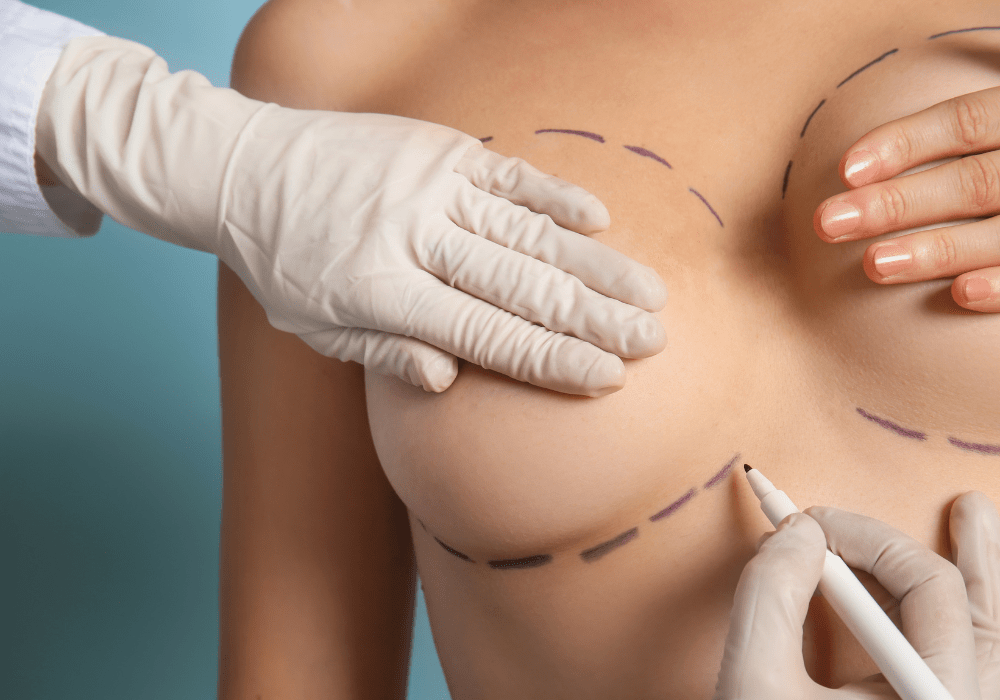
Breast Uplift: Restoring Shape Without Changing You
Many women are surprised to learn that sagging doesn’t necessarily mean they’ve “lost” breast tissue. Often, the tissue is still there – it’s simply moved lower on the chest as the structures that support the breasts naturally stretch over time.
Sagging breasts are especially common after major life events like pregnancy, breastfeeding or significant weight loss, but it can also occur from natural ageing. Whatever the cause, it can be a really big deal to women who are navigating numerous changes in their lives, and who then also don’t feel at home in their bodies.
Which is why the goal of breast uplift surgery isn’t to make your breasts larger – it’s to restore proportion, firmness and a more youthful position. A breast uplift removes excess skin, reshapes the breast tissue and repositions the nipple higher on the breast.
For women wondering how to fix sagging breasts, surgery is often the only long-term solution once significant skin laxity has developed. Creams, exercises and supportive bras may improve comfort, but they cannot tighten stretched skin or reposition breast tissue.
Breast Reduction: Relief as Much as Reshaping
For some women, the issue isn’t sagging – it’s simply that their breasts have become too large for their frame.
Large breasts can look amazing, but they can affect everyday life in ways that often go unnoticed by those around you (who might admire your voluptuousness). It’s common for these women to experience anything from chronic neck and back pain to skin irritation beneath the breasts and difficulty exercising.
You can also develop poor posture from carrying the extra weight, and pain in the lower and upper back from the same cause. On top of all of that, many heavy-breasted women don’t like the way that clothing fits and looks on them.
For these patients, breast reduction isn’t simply cosmetic – it can be life-changing.
During surgery, excess breast tissue, fat and skin are removed, and the breasts are reshaped into a lighter, more proportionate size. The back pain relief is what most women talk about – it can change the way you move through the world, forever.
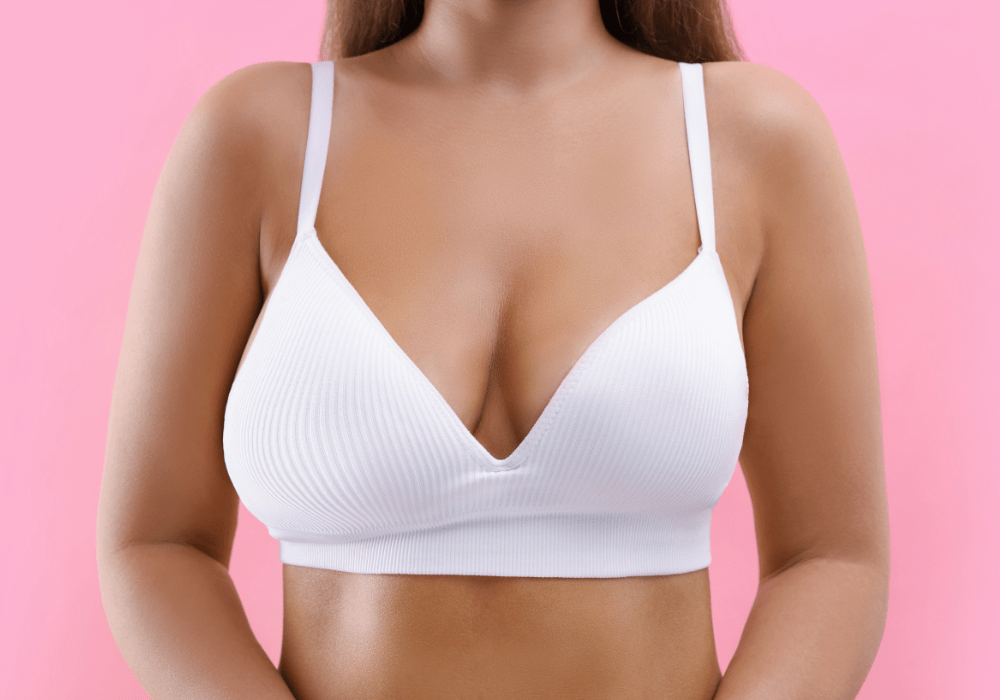
What About After Breastfeeding?
Pregnancy and breastfeeding are likely to change the look and feel of all breasts, but there’s no blanket formula for how this happens.
Some women lose volume. Others find that the skin has stretched while the breast tissue has reduced, leaving the breasts looking deflated or sitting lower than before.
In these situations, many women assume they need larger breasts again. Often, that’s not actually the case, because what they’re really missing is shape.
A breast uplift can often restore that shape beautifully (with your own tissue). If, during your individual consultation, you decide that significant volume has been lost, and you’d like a fuller appearance as well, our experienced surgeons can discuss the option of combining an uplift with breast implants to restore both position and fullness.
The best option will always depend on your anatomy, which is why a conversation is needed. Here at Europe Surgery, we take care to ensure that you’re getting the best procedure for your body and goals – not just a one-size-fits-all approach to things.
Which Procedure Gives the Most Natural Result?
This is one of the biggest concerns patients have. The good news is that breast surgery at Europe Surgery isn’t about creating dramatic, artificial-looking results. Whether you choose an uplift or a reduction, the goal is balance. A successful procedure will naturally suit your body, improving proportions without drawing attention to the surgery itself.
The best results often don’t prompt people to ask whether you’ve had surgery. Instead, they simply notice that you look healthier, more comfortable and more confident.
Recovery: What Can You Expect?
Recovery varies slightly depending on the procedure, but most patients find it easier than they anticipated. Generally speaking, here’s what you can expect as the weeks go by:
First week:
- Swelling and mild discomfort are normal
- A supportive surgical bra helps with healing
Two weeks:
- Many patients return to desk-based work
- Light daily activities become easier
Four to six weeks:
- Most exercise restrictions begin to ease
- Swelling continues to improve
Several months:
- Final shape gradually settles
- Scars continue to soften and fade
Your surgeon will provide detailed aftercare guidance to help ensure the best possible outcome.

Which Procedure Is Right for You?
There isn’t a single “better” operation because the right choice depends entirely on what’s bothering you most.
A breast uplift may be the better option if:
- You’re happy with your breast size
- Your main concern is sagging
- You’ve lost shape after breastfeeding or weight loss
- Your nipples sit lower than they used to
A breast reduction may suit you better if:
- Your breasts feel physically heavy
- You experience back, neck or shoulder pain
- Exercise is uncomfortable
- Finding bras and clothing is difficult
- You’d like both a lift and a smaller breast size
Sometimes, the answer isn’t immediately obvious. That’s why a thorough consultation is so valuable. An experienced surgeon can assess your anatomy, listen to your goals, and recommend the approach that will achieve the most balanced, comfortable result.
At Europe Surgery, every breast procedure begins with understanding the person behind it. Some women come to us because they miss the shape they had before children. Others are simply tired of living with daily discomfort caused by heavy breasts. While their reasons differ, the goal is often the same: to feel more comfortable, more balanced and more confident in their own body.
Our experienced surgeons take time to assess your anatomy, lifestyle and expectations before recommending treatment. Whether that means a breast uplift, a breast reduction, or a tailored combination of procedures, the focus is always on achieving natural-looking results that complement your body rather than changing it or chasing trends.