

If you’ve been looking into weight loss surgery recently, you’ve probably come across two major options: Gastric sleeve surgery and gastric bypass surgery. They don’t sound very different, so you’re probably wondering: What are the differences, and which one do I choose? Both are proven, widely performed procedures that regularly change lives, and both are often recommended for patients with a high BMI.
But that’s likely why so many UK patients feel uncertain, because which one actually works best for long-term weight loss… and which is right for you?
In this guide, we’ll take you through the real differences, how each procedure works, and what matters most when it comes to avoiding that annoying (or even horrible) “rebound” weight gain.
Understanding Why it’s Not Just About Weight Loss
Before comparing procedures, it’s worth reframing the question slightly – because this isn’t really about how fast you can lose weight. It’s about whether that weight stays off and whether your body and lifestyle can realistically support the change as time goes by.
For many patients, especially those exploring weight loss surgery options for a BMI over 40, the challenge isn’t just losing weight – it’s the cycle of losing and regaining it. That’s where surgery steps in, not as a quick fix, but as a structured, medical tool that changes how your body regulates hunger, fullness and metabolism.
The real goals tend to be deeper and more lasting:
- Achieving stable, sustainable weight loss
- Improving underlying health conditions like diabetes or high blood pressure
- Reducing constant hunger and food noise
- Creating a way of eating that feels manageable in real life, not restrictive or temporary
Both gastric sleeve and gastric bypass procedures are designed with these outcomes in mind. They don’t just reduce how much you can eat – they influence how your body responds to food altogether.
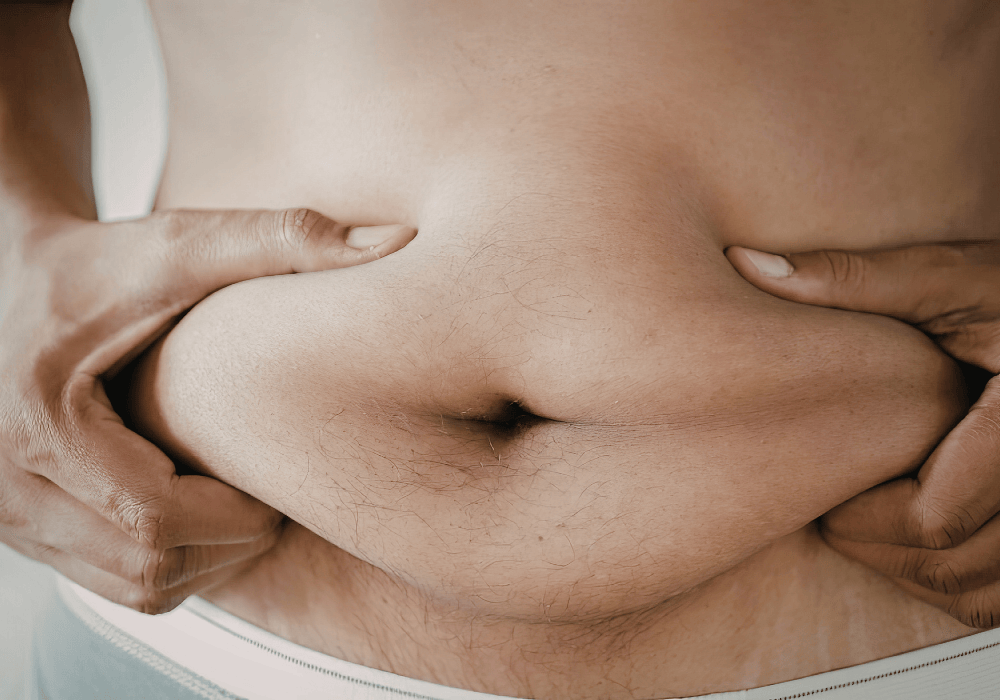
Where they differ is how they achieve that. Understanding that difference is what helps you make the right decision for your body and your future. So, let’s take a look:
What is a Gastric Sleeve?
A gastric sleeve (or sleeve gastrectomy) is the more straightforward of the two procedures (but that doesn’t mean it’s less effective). During this gastric surgery, a large portion of the stomach is removed, leaving behind a smaller, tube-shaped “sleeve.” This smaller stomach has a far smaller capacity, which naturally reduces your portion sizes (and, therefore, calories). But the impact goes beyond just restriction.
The part of the stomach that produces ghrelin (the hormone responsible for hunger) is largely removed. That means many patients don’t just eat less… they feel less hungry in the first place.
In real terms, that often looks like:
- Feeling full on smaller portions
- Less frequent hunger throughout the day
- A more manageable relationship with food
Weight loss with a gastric sleeve tends to be steady and consistent, which is why many patients find it easier to adapt to. At Europe Surgery, this option is often recommended for those who want a simpler surgical approach that still delivers strong, sustainable results without altering the digestive pathway.
What is a Gastric Bypass?
A gastric bypass (specifically the Roux-en-Y procedure) is a more complex operation, with a more powerful metabolic effect. Instead of just reducing stomach size, the procedure works on two levels.
First, a small stomach pouch is created, limiting how much you can eat at one time. Then, part of the small intestine is bypassed (rerouted), which changes how your body absorbs calories and nutrients.
This combination leads to three key effects:
- You eat less
- You absorb fewer calories
- Your hormones shift in a way that reduces appetite and improves blood sugar control
For many patients, especially those with type 2 diabetes or more severe metabolic conditions, this can be transformative. It’s not just about weight loss – it’s about how the body processes food altogether. Because of this, gastric bypass is often considered the more “metabolically powerful” option, particularly for those who need a stronger intervention to achieve and maintain long-term results.

Gastric Sleeve vs Bypass for Long-Term Weight Loss
Now to ask the question that really matters: Which one delivers better long-term results? The honest answer is that both can be highly effective, but in their own different ways.
Gastric Sleeve: Consistent and Sustainable
Many patients achieve:
- 60 – 70% excess weight loss
- Gradual, steady progress
- A more “natural” eating pattern over time
Because it doesn’t change anything in nutrient absorption, it can feel easier to maintain long-term for some patients. However, success relies more heavily on keeping a consistent lifestyle.
Gastric Bypass: Powerful and Protective
Gastric bypass patients often see:
- 70 – 80% excess weight loss
- Faster initial results
- Strong appetite and craving control
Importantly, gastric bypass may offer better protection against weight regain, particularly in patients who struggle with things like sugar cravings, emotional eating, and metabolic conditions. This is why the gastric bypass is often recommended for those concerned about rebound weight gain, as it easily puts a stop to that.
Which is Better for Avoiding Regaining the Weight?
This is one of the biggest concerns that patients have, and rightly so: imagine getting rid of all the excess weight just to gain it again. No procedure makes it impossible to regain the weight. But good to remember that the gastric sleeve requires strong long-term habits, while the gastric bypass adds a metabolic “safety net” through hormonal and absorption changes. If you’ve previously lost and regained weight or struggle with appetite control, bypass surgery may add an extra layer of support for you.
With that being said, the most important factor is not the procedure itself; it’s about choosing the right one that’s right for your body, for your biology, and your lifestyle.
Which Procedure is Right for You?
There’s no one-size-fits-all option. You have to choose what’s right for you and your body. Usually, you can find the right procedure by looking at and comparing the things below.
Gastric sleeve is likely your best option if:
- You want a less complex procedure
- You prefer a more natural digestive process
- You are confident in maintaining lifestyle changes
Gastric bypass will likely suit you better if:
- Your BMI is higher (especially over 40)
- You have type 2 diabetes or metabolic conditions
- You’re concerned about long-term appetite control or weight regain
At Europe Surgery, we’ll never rush you to make a decision. We make it a necessary step to book a consultation first to look at your health, your history, and your goals. Not just what the scale says.

What About Recovery and Lifestyle?
Both of these procedures require commitment, but are manageable with the right support systems in place.
Here are the basics of what you can expect from recovery:
- Hospital stay: typically short
- Return to normal activity: within a few weeks
- Diet progression: liquids → soft foods → normal meals
Long-term success is also not just about the procedure – it’s about how you live with it afterwards. Here are our top tips for the best results:
- Balanced nutrition: prioritising protein, nutrient-dense foods, and staying properly hydrated
- Portion awareness: learning your new hunger and fullness cues, rather than relying on old habits
- Regular follow-up care: staying connected with your clinical team for guidance, check-ins, and ongoing support
It’s also about mindset. This isn’t a short-term phase – it’s a shift in how you approach food, health, and your body. Surgery gives you a powerful, structured advantage. It reduces hunger, supports portion control, and helps reset your relationship with food. But like any tool, it works best when used consistently and properly supported. The goal isn’t perfection – it’s sustainability and a healthier way of living.
Why UK Patients Are Choosing Surgery Abroad
For many UK patients, access is the biggest struggle they’ll face. Long NHS waiting times and high private costs can delay treatment, sometimes for years.
That’s why more people are turning to clinics like Europe Surgery, where they can access:
- Highly experienced bariatric surgeons
- Modern facilities meeting EU standards
- Clear, all-inclusive pricing
- Timely treatment without long delays
And it’s not just because it’s more affordable – it’s about taking control of your health sooner.
It’s About the Right Fit, Not the “Best” Option
When comparing gastric sleeve vs bypass surgeries for long-term weight loss, it’s easy to find yourself looking for a winner. But the answer is much more personal than that. The best procedure is the one that fits your body and health profile, supports your relationship with food, and helps you maintain all of that. When chosen thoughtfully, either procedure can dramatically transform your health, boost your confidence and self-image, and improve your quality of life.
If you’re considering weight loss surgery, the most valuable next step isn’t doing research to your wits’ end, but to have a conversation with a specialist who can guide you clearly and honestly in the right direction. So give us a call on 0208 1444254, and we’ll be happy to help you figure it all out.