

Did you know that it’s normal for a person to lose 50-100 hairs a day? That said, more significant hair loss often results in aesthetic concerns for many men and women.
Also, while hair loss may not be life-threatening, it could suggest severe underlying nutritional deficiencies. So, this article explores the most common vitamin deficiencies that cause hair loss.
Understanding Hair Loss
It’s interesting to note that hair is the body’s fastest-growing tissue, and all hair follicles were formed before you were born. As far as hair loss is concerned, it seems that genetic issues and nutritional deficiencies are the leading causes.
Although hair loss is a common problem in both genders, it is often more severe in men. By age 50, almost 85% of men report some balding. In contrast, just about one-fourth of women of the same age report significant hair loss.
Though the contrast there is strong, the vitamin deficiencies that are behind hair loss and thinning affect both genders equally. So, it’s essential for both genders to understand the role of vitamins and other nutrients in hair health, as boosting their intake may help prevent hair loss and may even improve new hair growth.
Hair growth phases
Human hair is made up of hair follicles and hair shafts. Hair follicles can be seen as hair roots, and a person is born with a fixed number of hair follicles, and their number doesn’t increase after birth. Another important part is the hair shaft or visible hair.
There are three phases in healthy hair growth:
- Anagen phase of growth, which lasts 2-7 years. During this phase, in which 85-90% of follicles will be in at any given time, hairs can grow by several inches. How long hairs grow depends on genetics, age, nutritional status, and other factors.
- The Catagen phase is a short and transitional phase that lasts about 2-3 weeks. During this phase, hairs stop growing and become detached from the blood supply.
- Telogen phase is a resting phase that continues for another 3 months.
These three phases are followed by hair fall, and a person sheds about 50-100 hairs daily. Since the anagen phase is the longest, 80-90% of hair is always in this phase.
Common Causes of Hair Loss
Androgenetic alopecia is the leading cause of hair loss in men, causing male pattern hair loss. Some ethnicities are more prone to issues like androgenetic alopecia than others.
Female pattern hair loss is less understood but seems to be due to:
- hormones
- genetics
- stress
Other significant causes of hair loss are autoimmune conditions like:
- alopecia areata
- fungal infections
- stress
How quickly a person loses hair also depends on nutritional status, underscoring the importance of understanding the roles of vitamins and other nutrients in hair loss. Let’s explore each of these:
Vitamin B12 Deficiency and Hair Loss
It’s known that people with low vitamin B12 levels are more likely to experience hair loss, but researchers aren’t yet sure of why that is.
Experts think vitamin B12 plays an important role in improving hair follicle proliferation. Thus, vitamin B12 is essential for maintaining hair regrowth during the anagen phase.
Additionally, low vitamin B12 results in higher anxiety, low-stress tolerance, and other changes in the body, which may ultimately contribute to hair loss.
Folate/Folic Acid Deficiency and Hair Loss
Folate or folic acid seems to act quite similarly to vitamin B12, is vital for hair growth, and plays an essential role in neural health. It may also help by improving the oxygen-carrying capacity of red blood cells and normalising immune responses.
For example, one study found that people with alopecia areata, an autoimmune condition that causes hair loss in patches, are more likely to have folate deficiency.
Biotin Deficiency and Hair Loss
Biotin is the most extensively studied vitamin for hair loss, and is also essential for healthy nails. So it should come as no surprise that biotin is found in various hair loss remedies.
This vitamin is also necessary for:
- metabolic reactions
- synthesis of fatty acids
- protein metabolism
There is strong evidence that this vitamin plays an important role in hair and nail health, so a deficiency in it will likely lead to hair and nail loss. Therefore, biotin deficiency may be the primary cause of hair loss in many, or it may increase the risk of other conditions that cause hair loss.
One of the studies on women complaining of hair loss found that almost 40% of them were living with biotin deficiency. Biotin deficiency also increases the risk of conditions like fungal infections and even allergic diseases.
Additionally, a systemic review of studies shows that high biotin intake considerably helps prevent hair loss caused by various factors, and is great for nail growth.
Riboflavin Deficiency and Hair Loss
Riboflavin is essential for forming coenzymes like flavin mononucleotide (FMN) and flavin adenine dinucleotide (FAD), thus playing a vital role in cellular development, fat metabolism, energy production, and hair growth.
The human body stores only tiny amounts of this vital vitamin, which is why its deficiency may occur in many cases, leading to hair thinning and hair loss.
Vitamin D Deficiency and Hair Loss
This fat-soluble vitamin is essential for keratinocyte growth and differentiation and thus for hair growth. It is especially needed during the anagen stage, and low vitamin D levels are associated with hair thinning and increased hair loss. Studies show that those with severe vitamin D deficiency (rickets) experience severe hair loss, confirming its role in hair health.
Sufficient vitamin D intake, on the other hand, promotes healthy hair growth because keratinocytes are rich in vitamin D receptors. Additionally, vitamin D receptors also have a role in autoimmunity, so intake can prevent hair loss in multiple ways.
Zinc Deficiency and Hair Loss
Although the body needs zinc in minute amounts, it’s an essential micronutrient. Its deficiency can cause multiple health issues, because Zinc is required for more than 100 enzyme functions.
In addition, it plays an important role in:
- immunity
- protein synthesis
- wound healing
- DNA formation
- cell division
Zinc deficiency may cause hair loss due to reduced protein synthesis and changes in the immune response. Additionally, it may cause hair loss due to various metabolic changes.
Studies confirm a strong association between hair loss and low serum zinc levels. For example, in one of the studies in patients living with sleeve gastrectomy, researchers found significant hair loss in those with low zinc levels. It means that zinc is among the essential nutrients for healthy hair growth.
Selenium Deficiency and Hair Loss
Selenium is a trace element, which means the body needs it in extremely small amounts. Yet, it’s among the essential nutrients and plays an important role in many body functions. Selenoproteins play an important role in reproduction, metabolism, thyroid health, DNA synthesis, and protecting cells from oxidative stress.
It appears that low selenium increases the risk of hair loss due to changes in immune responses and perhaps other poorly understood mechanisms. However, there is evidence from many studies confirming the association between low selenium intake and increased hair loss.
Thus, one of the comparative studies found that those living with alopecia areata (AA) are more likely to have a selenium deficiency than healthy adults. It means that selenium deficiency increases the risk of autoimmune conditions, causing hair loss. Hence, sufficient selenium intake may be especially good for preventing hair loss.
Iron Deficiency and Hair Loss
The human body contains about 3-4 grams of iron, most of which is in the blood as haemoglobin. Iron is needed for physical growth, brain development, and cellular functioning. It is also essential for the formation of some hormones.
Without iron-rich red blood cells, cells cannot carry oxygen to various tissues.
The human body strictly controls iron levels. Thus, the daily need for iron is pretty small. However, iron deficiency may occur due to increased blood loss due to:
- menstrual cycle
- trauma
- piles
Additionally, some people develop an iron deficiency due to poor iron absorption. It may be due to changes in the gastrointestinal tract, medication use, and other factors. Some foods, like those high in polyphenols, may also interfere with iron absorption. Vitamin C, on the other hand, promotes iron absorption.
Some signs of iron deficiency are:
- anaemia
- fatigue
- weakness
- slow growth
Those living with iron deficiency are more likely to suffer from hair loss.
Vitamin C Deficiency and Hair Loss
This water-soluble vitamin plays an important role in immunity. It is also required to produce collagen, neurotransmitters, proteins, and more. It is a potent antioxidant and is also needed for iron absorption.

Its deficiency causes many health issues like:
- joint pain
- slow healing of wounds
- skin disorders
- low immunity
- hair loss
Vitamin C is not just good for preventing hair loss – it’s also important for cardiovascular health, prevents cancer, and helps prevent seasonal infections. Thus, those looking to reduce hair loss must absolutely consider boosting their intake of this vitamin.
Protein Deficiency and Hair Loss
While vitamins often get most of the attention, protein is one of the most important nutrients for healthy hair growth.
Hair is primarily made of a protein called keratin. If your body isn’t getting enough dietary protein, it will prioritise essential organs over hair production. As a result, more hair follicles can shift prematurely into the resting (telogen) phase, leading to increased shedding – a condition sometimes called telogen effluvium.
Low protein intake may occur due to:
- Restrictive dieting
- Rapid weight loss
- Eating disorders
- Poor appetite due to illness
- Vegetarian or vegan diets that aren’t well balanced
- After major surgery
Unlike genetic hair loss, protein-related hair shedding is often diffuse, meaning thinning occurs across the scalp rather than in specific patterns.

The good news is that this type of hair loss is usually reversible. Once adequate protein intake is restored, hair growth can gradually normalise over several months.
Good dietary sources of protein include:
- Eggs
- Fish and lean meats
- Greek yoghurt and dairy
- Beans and lentils
- Nuts and seeds
- Tofu and plant-based protein sources
If you are experiencing hair thinning alongside fatigue, muscle loss, or rapid weight change, it may be worth discussing nutritional testing with your GP or healthcare provider.
Managing Hair Loss Through Dietary Measures
You can’t modify the genetic causes of hair loss or reverse ageing, but you can boost your intake of vitamins, minerals, antioxidants, proteins, and other phytocompounds. A healthy, balanced diet rich in a variety of vitamins and minerals helps prevent hair loss in several ways. Dietary measures also help boost immunity, improve metabolic health, and more.
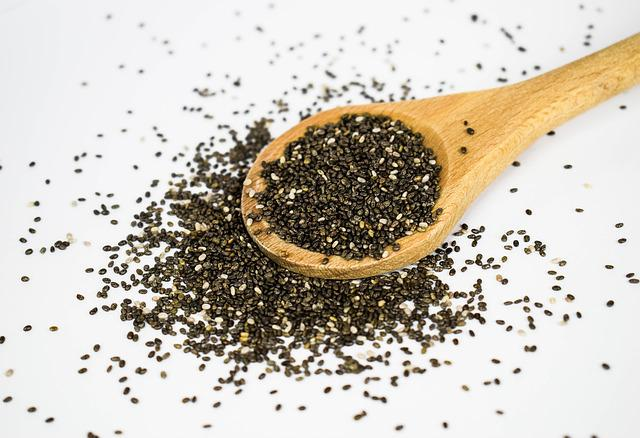
So, now that we know that a healthy diet can promote hair growth, what exactly should this diet contain? First and foremost, lots of fresh fruits and vegetables, as this is one of the best ways to get an ample supply of vitamins. Moreover, natural vitamins have higher bioavailability.
Additionally, fruits and vegetables are rich in antioxidants and other phytocompounds that may be good for those living with female hair loss.
One may also consider switching to a Mediterranean diet. Studies show that such a diet is good for cardio-metabolic health and weight loss and reduces the risk of androgenic alopecia.
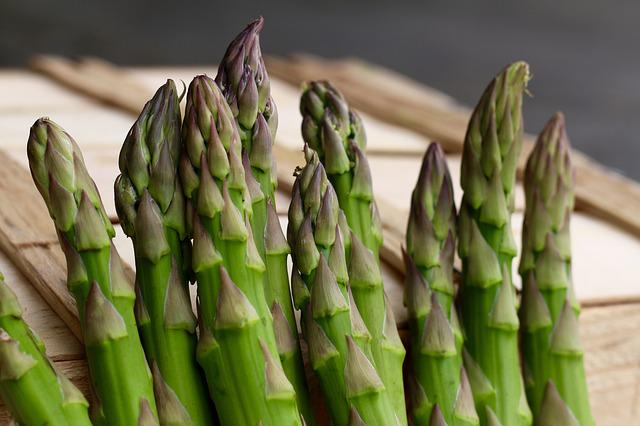
Next, pack your diet with lots of fresh fruits and vegetables. It is one of the best ways to get an ample supply of vitamins. Moreover, natural vitamins have higher bioavailability. Additionally, fruits and vegetables are rich in antioxidants and other phytocompounds that may be good for those living with female hair loss.
One may also think about switching to the Mediterranean diet. Studies show that such kind of diet is good for cardio-metabolic health and weight loss and reduces the risk of androgenic alopecia.
For best results, consume:
- parsley
- basil
- green salads
As a result, many people may experience considerable improvement within three weeks.
Hair Loss Treatment Options
First things first – if you have any vitamin or mineral deficiencies, start with a multivitamin, as these contain most vitamins that are good for hair. It’s also a good idea to take 800-1000 IU of vitamin D daily additionally.
You can also start taking biotin, also called vitamin H or B7. Three to five milligrams of biotin a day is sufficient for most people, and these two vitamins are especially good for those diagnosed with alopecia areata.
Next, consider some natural supplements. One should first know about the cause of hair loss, as they don’t help in all cases.
For those who experience hair loss due to mental stress, or chronic fatigue, it would be good to consider ginseng. It is a good idea also to use topical ginseng solution and oral intake. Phytochemicals in ginseng are known to encourage good hair growth.
Another way of boosting hair development naturally is using hair oils. In many parts of the world, people have traditionally used hair oils, and epidemiological studies show that those regions have healthier hair than others. Some of the oils to consider are:
- coconut oil
- olive oil
- argan oil
Combining natural remedies and supplements with laser therapy is a good idea. It appears that red light therapy may significantly boost hair growth in some. In addition, it seems to be quite good for hair follicles.
Among the topical medications, Minoxidil is the US FDA-approved remedy that works in most cases. Nevertheless, one may need to use it for several weeks to experience any benefit, because hair growth is a slow process. Nevertheless, minoxidil is useful in about two-thirds of cases.
When it comes to medications, few pharmacological drugs can help. However, one should use those medications only under medical supervision, as they can have severe side effects.
We’d always advise talking to your doctor or health professionals before you start taking iron supplements, dietary supplements or vitamin D supplements. Equally, if you’re worried you’re not getting the right iron-rich foods, vitamin D levels or essential fatty acids, talk to your doctor.
Hair Transplant Surgery
When all treatments fail or someone starts treatment too late, most hair follicles die, leading to irreversible baldness. So, the last option we’ll share with you is going for a hair transplant.
Follicular unit extraction (FUE), the most popular and effective method, involves removing healthy individual follicles from the side or back of the head and then transplanting the follicles where needed. This method is superior in the way that each follicle is removed using micro punches, which leaves no scars or marks behind.
Experts do not recommend hair transplants in those younger than 25 years, as the hair loss pattern has not been fully established. However, it is a good idea to consider a hair transplant after the age of 30.
Tip: If you want to learn more about how a hair transplant works, read our dedicated blog on the topic.
Ready to Combat Your Vitamin and Mineral Deficiencies?
Hair loss may occur for many reasons, and while androgenetic alopecia is the most common cause of baldness, it may also occur due to deficiencies in minerals, vitamins and amino acids.
In young adults, lifestyle interventions, dietary changes, and vitamin supplements may help prevent or slow down hair loss.
However, hair transplantation may be the best option for those above 30 years with established baldness and complete loss of hair follicles in the scalp.
To find out more about our hair transplant procedure and whether or not it’s the right option for you, book a consultation today.
Discover latest blogs